Connecting Live Casino Metrics With Football and Racing Probability Shifts Through Constant Digital Platform Updates
Digital platforms now maintain continuous data streams that link live casino metrics such as blackjack variance and roulette payout frequencies with shifting probabilities in football matches and horse racing events, and these connections rely on automated updates that refresh every few seconds across global servers. Observers note that operators in multiple regions have integrated application programming interfaces to pull real-time inputs from casino floors and trackside sensors while simultaneously adjusting odds on major football leagues and thoroughbred circuits.
Platform Architecture and Data Synchronization
Modern systems combine structured data feeds from table games with event-based triggers from sportsbooks, so when a dealer completes a hand in a live casino studio the resulting metric travels through middleware layers that recalculate implied probabilities for upcoming football fixtures or race outcomes. Studies from industry research groups indicate that synchronization occurs through timestamped packets which align variance rates in poker rooms with momentum shifts during match play, and this process supports bettors who monitor several markets on single handheld devices. In November 2026 several major platforms plan expanded rollout of edge-computing nodes that reduce latency between casino data capture and racing probability adjustments to under 200 milliseconds.
Integration Examples Across Markets
Take one European operator that routes live blackjack hit-rate statistics into algorithms monitoring English Premier League goal-scoring patterns, and the same pipeline feeds Australian harness racing pace data into variance trackers for roulette wheels. Data shows these alignments allow platforms to flag correlated movements where a surge in casino session lengths coincides with tightened odds on favorites in weekend races. Researchers at academic centers tracking digital gambling have documented similar flows in North American markets where gridiron play-by-play updates merge with poker hand-frequency logs to generate composite risk scores refreshed every minute.
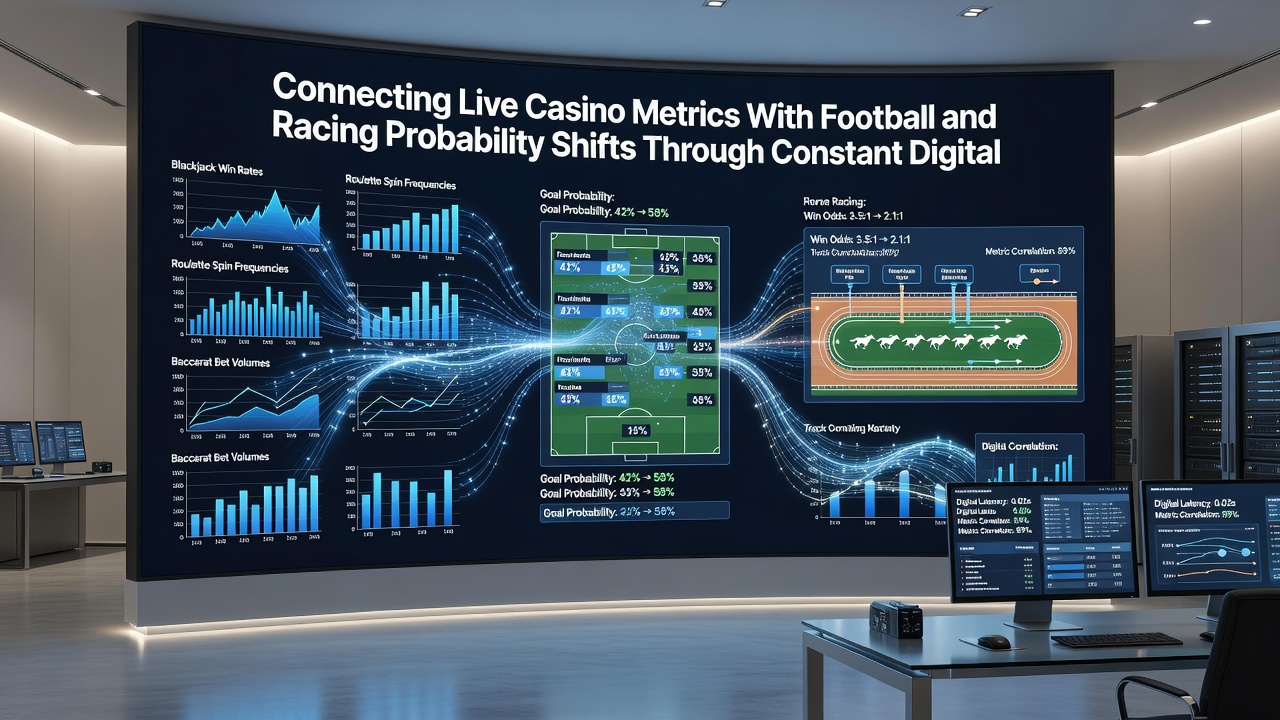
Yet the core mechanism remains the constant push of revised figures through content delivery networks that serve users regardless of location, and this architecture prevents isolated market silos by enforcing unified time standards across continents. Figures from regulatory filings in Canada reveal that operators must log every probability shift exceeding a defined threshold, which includes those triggered by casino metric spikes, and compliance teams review these logs weekly to verify alignment accuracy.
Regulatory and Technical Standards
Authorities in Australia require platforms to maintain audit trails that capture how live casino inputs influence football and racing lines, while similar rules in several EU member states emphasize transparency in the algorithms that process these cross-market signals. Australian gambling research reports detail the volume of data packets exchanged daily between casino servers and sportsbooks, and these volumes continue to rise as more events adopt sensor-based tracking. Industry associations have published guidelines that recommend encryption standards for the constant updates, ensuring that probability adjustments remain tamper-resistant during transmission.
One study released by a North American research consortium examined how variance trackers in digital blackjack tables feed directly into models predicting late-race position changes for thoroughbred events, and the resulting correlations appear in aggregated platform dashboards used by market analysts. These dashboards display layered metrics without exposing individual user data, and the display updates automatically whenever new inputs arrive from any connected venue.
Future Platform Developments
By late 2026 developers expect further adoption of machine-learning overlays that scan historical patterns across casino sessions, football goal timelines, and racing speed figures to predict when probability clusters will form, and these overlays operate on the same continuous update cycle already in place. Technical documentation from equipment suppliers shows that hardware upgrades at data centers will support higher throughput for simultaneous streams, reducing the chance of desynchronization during peak international event windows. Observers tracking platform roadmaps note that testing phases scheduled for early November 2026 will evaluate new compression techniques that preserve metric fidelity while lowering bandwidth requirements for users on mobile networks.
Conclusion
The ongoing connection between live casino metrics and football plus racing probability shifts rests on infrastructure that delivers constant digital updates across distributed networks, and evidence from regulatory filings together with academic analyses confirms the technical feasibility of these alignments. Platforms continue to refine the pathways that move data between table-game environments and sports markets, maintaining the factual record of every adjustment while supporting broader market monitoring activities worldwide.