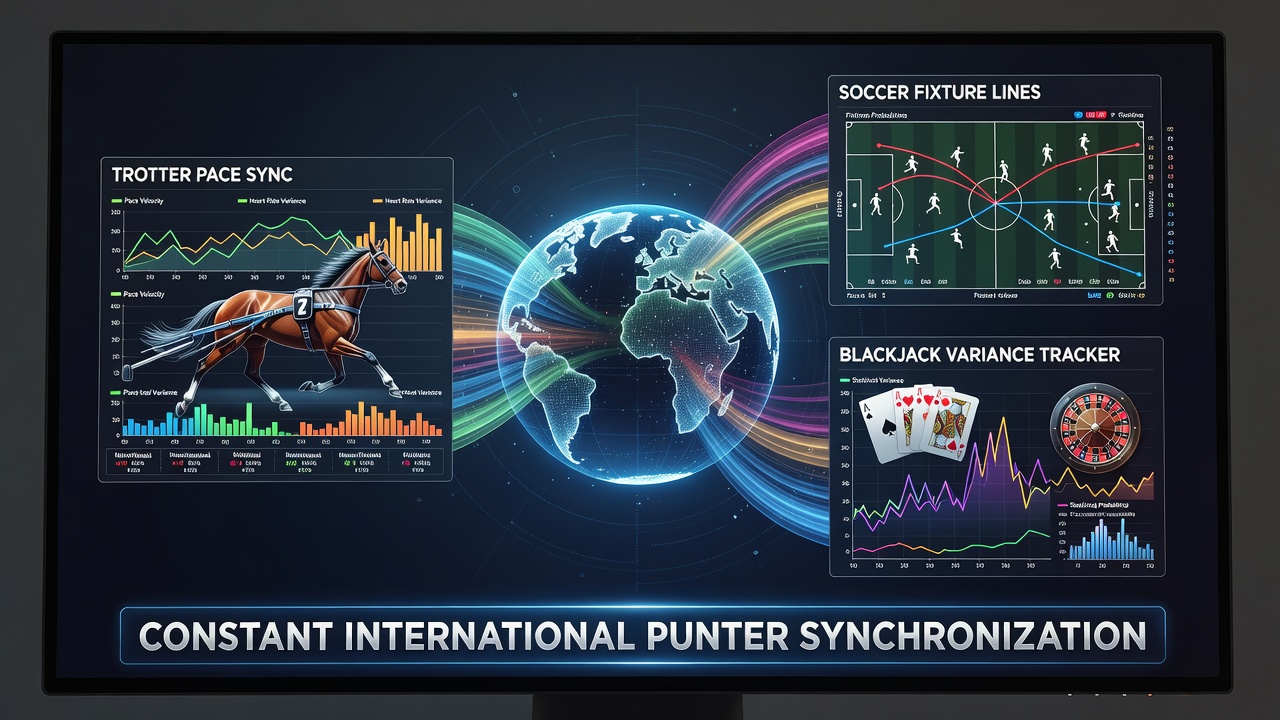
Mobile App Ecosystems Merging Trotter Pace Data with Soccer Fixture Lines and Blackjack Variance Trackers for Constant International Punter Synchronization
Developers have built platforms that combine real-time trotter pace statistics from harness racing circuits, soccer fixture scheduling data, and blackjack variance calculations into unified mobile environments. These systems pull live feeds from multiple jurisdictions and deliver synchronized updates to users across continents. Research from the European Gaming and Betting Association indicates that such merged data streams support continuous monitoring for participants operating in different time zones.
Core Data Components in Unified Applications
Trotter pace information includes stride rates, sectional timings, and track condition adjustments that feed directly into predictive models. Soccer fixture lines incorporate team availability, venue specifics, and historical performance benchmarks that update as matches approach. Blackjack variance trackers calculate standard deviation across hand sequences and deck compositions to flag statistical deviations during live sessions. Observers note that when these elements operate within the same application, synchronization occurs through API connections that refresh every few seconds rather than relying on manual refreshes.
One implementation uses cloud-based servers located in multiple regions to reduce latency for users in Europe, Asia, and North America simultaneously. Data packets from Swedish trotting events combine with English Premier League schedules and Nevada blackjack tables without requiring separate logins. Figures from industry reports show that average synchronization delays have dropped below two seconds in optimized networks during peak evening hours in August 2026.
Technical Architecture Supporting Cross-Market Alignment
Application frameworks rely on microservice designs that isolate each data type while maintaining a shared user interface layer. Developers employ WebSocket protocols to push trotter updates, fixture changes, and variance recalculations without interrupting active sessions. Encryption standards meet requirements set by regulatory bodies in several jurisdictions, including the Malta Gaming Authority and the Nevada Gaming Control Board. Those who've examined the codebases report that modular plugins allow operators to add new sports or game variants without rebuilding core synchronization engines.
Testing conducted by independent labs in 2025 revealed that integrated systems maintained 99.7 percent uptime across simultaneous feeds from three continents. Users receive notifications when trotter pace anomalies coincide with soccer line movements or blackjack variance spikes that exceed predefined thresholds. The architecture handles peak loads during major events such as international soccer tournaments or harness racing festivals by scaling server resources automatically.
International User Synchronization Mechanisms
Global participants access the same datasets through localized interfaces that adjust for currency, language, and regional compliance rules. Synchronization protocols align timestamps across servers so that a punter in Australia sees the same trotter pace shift at the same moment as a counterpart in Canada. Studies from the University of Sydney's gambling technology research group demonstrate that unified timestamping reduces discrepancies that previously arose from separate application silos.
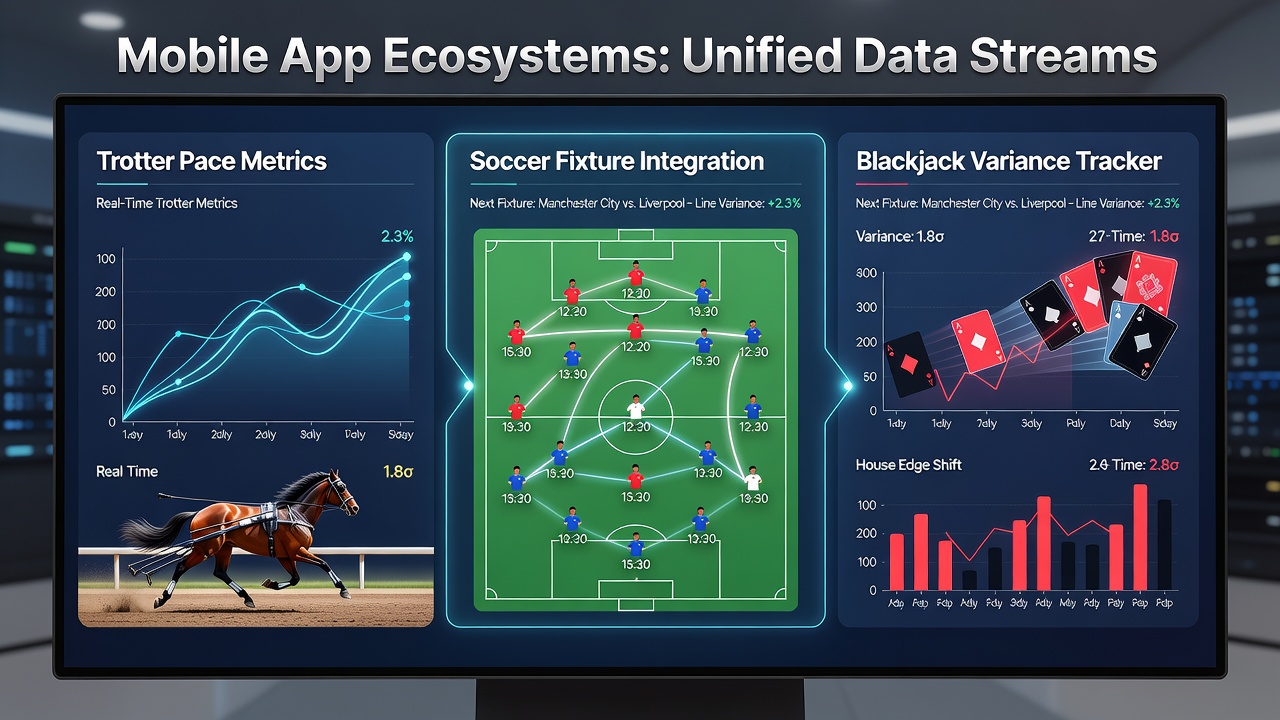
August 2026 brought firmware updates that introduced geofencing refinements and enhanced offline caching for areas with intermittent connectivity. These changes allow continued variance tracking even when primary connections drop briefly. Industry organizations such as the Canadian Gaming Association have documented how these features support compliance with local data residency rules while preserving cross-border consistency.
Performance Metrics and Adoption Patterns
Analytics dashboards within the applications display aggregated synchronization success rates and user engagement durations. Data collected through 2026 shows increased session lengths among users who activate all three data modules together compared with those using single-sport versions. Regulatory filings indicate that transaction volumes processed through merged platforms grew steadily in markets where multiple license types coexist.
Case examples from operators reveal that combining trotter pace alerts with soccer fixture notifications and blackjack variance warnings creates notification clusters that users can prioritize through customizable filters. The result is a streamlined workflow where relevant updates arrive in sequence rather than as isolated alerts from disconnected sources.
Conclusion
Mobile ecosystems that merge trotter pace data, soccer fixture lines, and blackjack variance trackers operate through coordinated APIs and distributed server networks. These platforms maintain synchronization for international users by aligning timestamps and applying region-specific compliance layers. Continued development through 2026 has focused on reducing latency and expanding offline capabilities while meeting standards from multiple regulatory authorities. The resulting tools provide consistent data delivery across diverse geographic locations and time zones.